
Olive Oil, unlike other vegetable oils, is extracted from a fruit and not a seed. The word “oil” comes from the Arabic “az-zait”, which refer to the juice of olives. But Homer famously coined the term “liquid gold” to describe Olive Oil thousands of years ago. This oil is a central and distinguishing component of the Mediterranean diet, one of the healthiest diets around. Moreover, it’s a diet that was declared an Intangible Cultural Heritage by UNESCO in 2012.
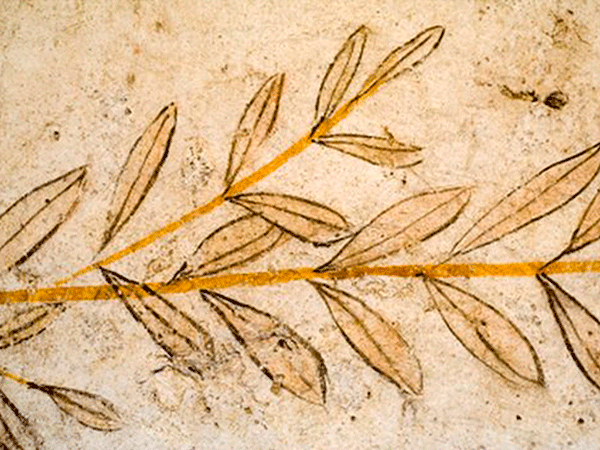
The olive oil story begins thousands of years ago in the classical era when various Mediterranean civilisations (Phoenicians, Greeks, and Romans) began to grow olive trees and extract juice from the olives. But it was in Ancient Greece where the olive tree, its fruit and Olive Oil achieved the importance they enjoy today. It’s no coincidence that these elements appear represented on coins or on tombs as symbols of immortality.
Interestingly, crowns of olive branches were even given to athletes during the Olympic Games. Moreover, some of the branches that were given to the victors were always cut with a golden knife by a 12-year-old boy whose parents were still living.
During this sporting event, athletes rubbed Olive Oil on their bodies before and after the competition to prepare for a massage, a custom that has survived with the passage of time. Today, massages with Olive Oil are very common and are as highly regarded today as they were then.
Religion also helped cement the olive tree and Olive Oil in popular culture. According to Greek mythology, it was the minor god Aristaeus who was responsible for the spread of Olive Oil throughout the Balkan Peninsula, the Aegean Sea and later Sardinia and Sicily. It’s no accident, then, that he was considered the inventor of olive oil and the press used to extract it.
During the age of the Roman Empire, the use of Olive Oil began to expand throughout the Mediterranean Basin until it reached Hispania (the name that was given to Spain when it was a province of the Roman Empire), a region that produced “liquid gold” of maximum quality. Modern-day Spain, which is the world’s biggest producer of Olive Oils, continues that tradition.
Do you want to know more about the history of “liquid gold” and how was olive oil discovered? Keep an eye out for the second part of this article and discover why Extra Virgin Olive Oil from Spain is one of the highest quality oils in the world. Have you tried Olive Oils from Spain yet?











0 Comments